The Hidden Pest Risks of Kenya’s Circular Economy Push
Kenya is rapidly positioning itself as a regional leader in sustainability, recycling, and circular economy development. Through policies such as the Sustainable Waste Management Act, 2022 and the Extended Producer Responsibility (EPR) Regulations, businesses are under increasing pressure to reduce waste, improve recycling systems, and divert materials away from landfills.
These changes are environmentally important and align with Kenya’s long-term sustainability goals. However, many businesses are overlooking an unintended operational challenge emerging alongside these initiatives: increased pest activity.
As organisations introduce food waste separation, recycling storage areas, reusable packaging systems, composting processes, and shared waste infrastructure, they may also be creating ideal environments for rodents, flies, cockroaches, and other pests.
What Is Kenya’s Circular Economy Strategy?
A circular economy aims to reduce waste by keeping materials in use for as long as possible through:
- Recycling
- Reuse
- Recovery systems
- Composting
- Waste separation
- Sustainable packaging
- Kenya’s sustainability strategy encourages businesses to:
- Reduce landfill disposal
- Improve waste segregation
- Increase recycling rates
- Separate food waste
- Participate in producer-responsibility schemes
The Extended Producer Responsibility (EPR) regulations now require many producers and businesses to take greater responsibility for how waste is managed after products are consumed.
These policies are transforming how waste moves through commercial environments.
Why Circular Economy Systems Can Increase Pest Risks
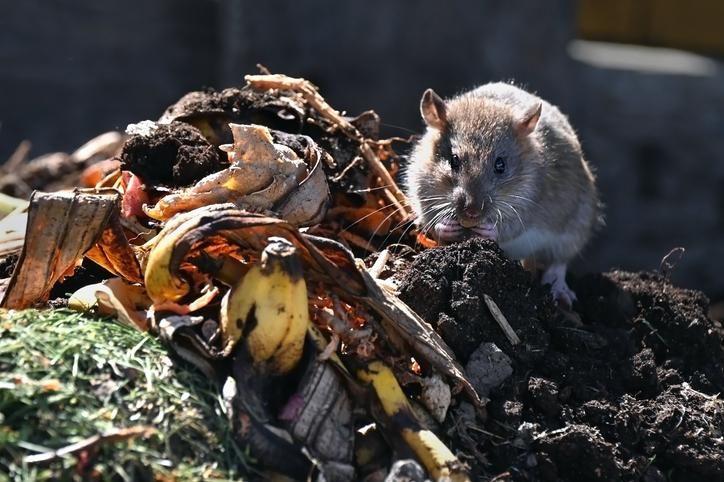
Pests thrive where they can access:
- Food
- Water
- Shelter
Unfortunately, some circular economy systems unintentionally increase all three. As businesses expand recycling and waste-separation infrastructure, they often:
- Store waste onsite for longer periods
- Increase food waste retention
- Introduce shared recycling compounds
- Use reusable waste containers
- Create larger waste-sorting areas
- Handle more organic material
Without stronger hygiene controls, these environments can quickly attract:
The issue is not sustainability itself. The problem arises when environmental initiatives are introduced without redesigning hygiene and pest-management procedures alongside them.
Why Food Waste Separation Creates New Challenges
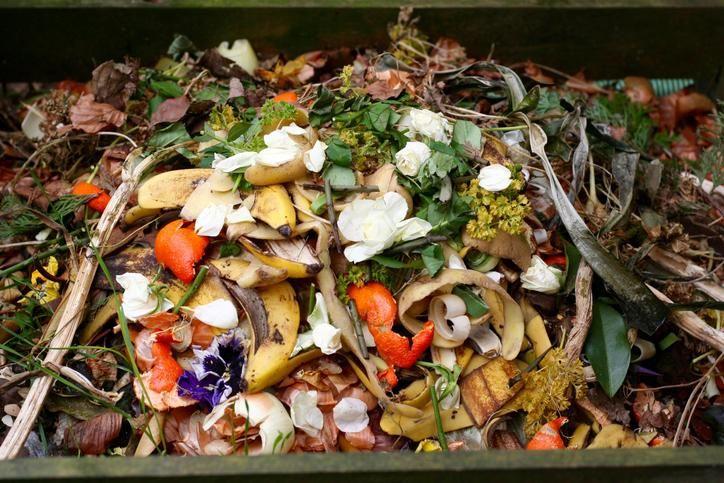
Food waste is one of the strongest pest attractants in urban environments. As Kenyan businesses separate organic waste from general waste streams, food residue often remains onsite longer before collection or processing.
This can create:
- Fermentation
- Moisture buildup
- Odours
- Fly breeding conditions
- Rodent feeding opportunities
- High-risk sectors include:
- Hotels
- Restaurants
- Food manufacturers
- Shopping malls
- Hospitals
- Universities
In Nairobi and other urban centres, pests can move rapidly between neighbouring waste compounds, drainage systems, and commercial properties.
The Hidden Risks in Recycling Areas
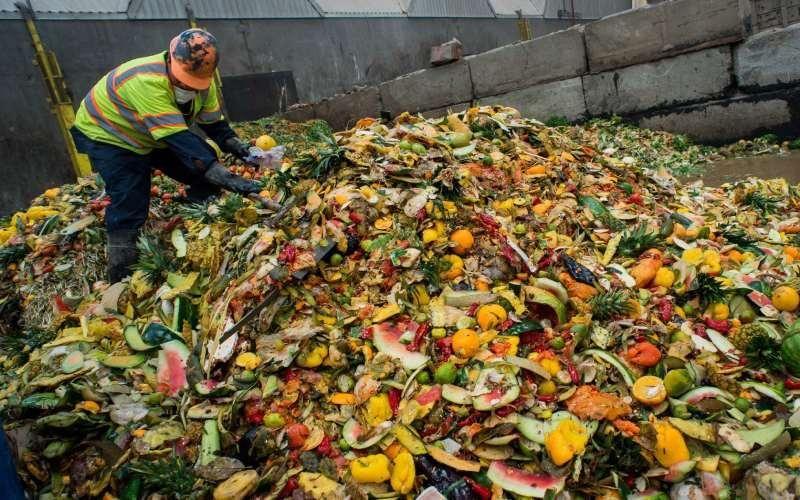
Many recycling systems appear clean on the surface while still creating ideal pest conditions underneath. Common hidden risks include:
Food Residue in Recyclables
Containers and packaging often retain food traces that attract insects and rodents.
Poorly Cleaned Reusable Bins
Reusable containers support sustainability goals but can develop biofilm, odours, and moisture if cleaning schedules are inconsistent.
Overflowing Waste Storage Areas
Businesses trying to reduce waste-collection frequency may unintentionally increase pest exposure.
Shared Commercial Waste Compounds
In office parks, malls, and mixed-use developments, shared waste zones allow pests to spread between tenants more easily.
Drainage and Moisture Problems
Waste liquids and blocked drainage systems create ideal breeding environments for flies and cockroaches.
Why Rodents Thrive in Circular Waste Systems
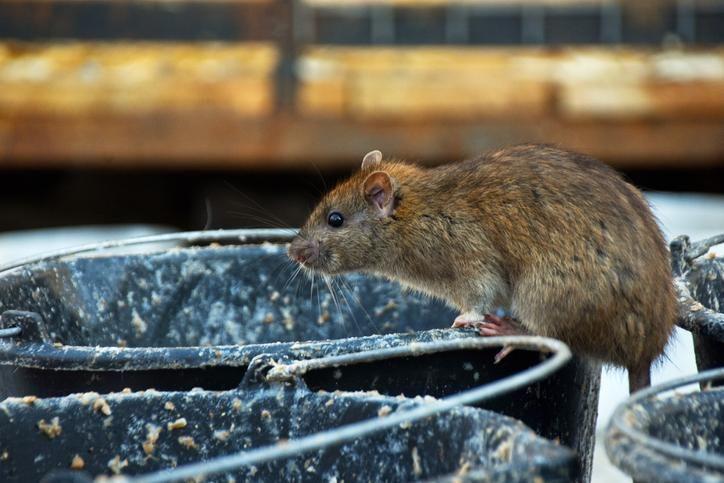
Rodents are highly adaptable urban pests. Rats and mice quickly exploit environments where food waste is regularly available. Modern waste systems can unintentionally provide:
- Reliable feeding sources
- Warm shelter
- Reduced disturbance
- Easy access through drainage systems
- Rodents commonly establish activity around:
- External waste compounds
- Recycling stations
- Food-delivery areas
- Storage facilities
- Drainage infrastructure
Once established, rodent populations can spread rapidly through commercial buildings and surrounding areas.
How Pest Risks Affect Business Operations
Pest infestations create serious operational, financial, and reputational risks for businesses. Potential impacts include:
- Food contamination
- Failed hygiene inspections
- Product damage
- Customer complaints
- Reputational harm
- Regulatory action
- Operational disruption
For hospitality and food businesses, a visible pest issue can significantly damage customer trust. As sustainability expectations rise, businesses are increasingly expected to demonstrate both:
- Environmental responsibility
- Strong hygiene and pest-management standards
Why Sustainability and Pest Prevention Must Work Together
Sustainability systems work best when they are integrated with proper hygiene and facilities management practices. Businesses should not approach pest management as a reactive issue addressed only after infestations occur. Instead, pest prevention should become part of:
- ESG planning
- Waste-management design
- Facilities operations
- Food safety systems
- Environmental compliance strategies
This is especially important in urban Kenya, where population growth and infrastructure pressures increase pest exposure.
How Businesses Can Reduce Pest Risks in Circular Economy Systems
Improve Waste Containment
Use sealed waste bins with secure lids to minimise pest access.
Increase Cleaning Frequencies
Recycling bins, food waste areas, and drainage systems should be sanitised routinely.
Reduce Waste Storage Time
Avoid allowing food waste and recyclables to remain onsite longer than necessary.
Conduct Regular Inspections
Monitor waste compounds and high-risk areas for early signs of pest activity.
Maintain Drainage Systems
Blocked drains create movement pathways and breeding conditions for pests.
Implement Integrated Pest Management (IPM)
Integrated Pest Management combines:
- Monitoring
- Hygiene improvements
- Structural proofing
- Waste-management controls
- Targeted treatment
- Long-term prevention strategies
IPM supports both sustainability goals and effective public-health protection.
Why the Future of Sustainability Requires Better Pest Management
As Kenya continues expanding its circular economy and sustainability initiatives, pest management will become increasingly important to business resilience. Future waste systems will likely involve:
- More decentralised recycling
- Greater food waste recovery
- Shared urban waste infrastructure
- Expanded composting systems
- Smarter waste-monitoring technologies
Without proper hygiene integration, these systems could unintentionally increase pest activity across commercial environments. The businesses that succeed long term will be those that treat pest prevention as part of modern sustainable operations not as a separate afterthought. Sustainability should create cleaner, healthier urban environments. Achieving that goal requires both responsible waste management and proactive pest prevention working together.
FAQs
What is a circular economy?
A circular economy is a sustainability model focused on reducing waste through recycling, reuse, composting, and resource recovery instead of relying heavily on landfill disposal.
Can recycling systems attract pests?
Yes. Poorly maintained recycling systems can attract rodents, flies, and cockroaches if food residue, moisture, and waste buildup are not properly controlled.
Why does food waste increase pest activity?
Food waste provides pests with reliable food and moisture sources, allowing populations to grow rapidly in commercial environments.
How can businesses stay sustainable without increasing pest risks?
Businesses should combine sustainability initiatives with strong hygiene procedures, regular cleaning, waste containment, drainage maintenance, and Integrated Pest Management (IPM).