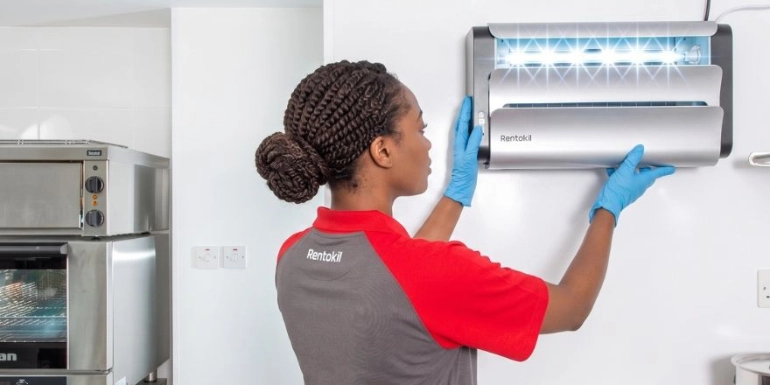
How Lumnia’s Insect Light Traps Help Facility Managers Meet ESG Goals
If you're a facility manager today, your job goes far beyond keeping the building running. You are the frontline for supporting your company’s ESG (Environmental, Social, and Governance) goals, reducing energy use, cutting waste, and maintaining safer operations.
How do Lumnia light traps support ESG goals?
Lumnia insect light traps support ESG goals by reducing energy consumption by up to 62% compared to traditional traps and eliminating the need for hazardous mercury lamps. These traps contribute directly to Sustainable Development Goals (SDG) 7 and 12 by lowering carbon footprints and reducing operational chemical waste in sensitive environments.
Lower Energy Use Without Compromising Performance
In many facilities, pest control equipment runs 24/7. Older fluorescent insect light traps can quietly consume massive amounts of energy.
Lumnia’s traps utilize advanced LED technology designed to be highly energy-efficient while delivering superior insect attraction. For managers overseeing large-scale sites like food plants, warehouses, or hotels, this means:
- Reduced Energy Footprint: Lowering the load on the building’s power grid.
- Alignment with SDG 7: Supporting the global mandate for affordable and clean energy.
- Cost Savings: Directly reducing utility bills through operational efficiency.
Reducing Waste in Everyday Operations
Operational waste is a major pressure point for facility teams. Frequent bulb replacements and chemical treatments add up quickly in a sustainability audit. Lumnia’s ILTs minimize this impact through:
- Long-lasting LED Components: Reducing the frequency of hardware replacements.
- Maximized Glue Board Usage: Efficient designs that ensure boards are fully utilized before disposal.
- Chemical-Free Capture: Physical attraction and capture mean zero pesticide runoff in your facility.
This focus on longevity and non-toxic methods supports SDG 12: Responsible Consumption and Production, a metric many companies now track in their annual sustainability reporting.
Safer for Staff and Sensitive Environments
In industries like healthcare, pharmaceuticals, or food production, hygiene is non-negotiable. Using Lumnia’s light traps instead of chemical-heavy treatments reduces exposure risks for staff and keeps production areas pristine. For facility managers, this balances high-performance pest management with the "Social" aspect of ESG, ensuring a safe, healthy workplace for all employees.
Frequently Asked Questions
How much energy can Lumnia traps save compared to traditional ILTs?
Lumnia LED insect light traps are designed to be significantly more efficient than traditional fluorescent units. Depending on the specific model and environment, Lumnia units can reduce energy consumption by up to 62%, helping facilities lower their Scope 2 emissions and contribute to overall carbon reduction targets.
Do Lumnia light traps contain mercury?
No, Lumnia traps utilize LED technology which is entirely mercury-free. Traditional fluorescent tubes often contain small amounts of mercury, posing a hazardous waste risk if broken or disposed of incorrectly. By choosing Lumnia, facility managers eliminate this specific environmental risk from their waste stream.
How do Lumnia traps help with ESG reporting?
Lumnia helps with ESG reporting by providing measurable data on energy reduction and waste diversion. Because the LEDs last longer and consume less power than standard tubes, facility managers can include these specific energy savings and the elimination of hazardous mercury waste in their annual environmental performance metrics.