The Ugly Truth and Why It's Time to Go Mercury-Free
Pest control is an essential part of any business, especially in industries like food production, hospitality, and agriculture. But when it comes to the methods we use, have we really considered the impact on our health and the planet? It’s time to face the ugly truth: mercury, that toxic heavy metal, has been lurking in our pest control solutions for decades, and it's high time we move on.
For many of us, mercury is one of those things we associate with old thermometers or light bulbs. But in the world of pest control, mercury has been a quiet player in the game, particularly in traditional insect light traps (ILTs). Sure, these traps are effective at attracting and killing pests, but the cost of using mercury-based technology in this field is far greater than we might think. And the environment and your business are paying the price.
Let’s break it down: Why is mercury in pest control a problem, and why should we care about going mercury-free?
The Silent Killer: Mercury's Impact
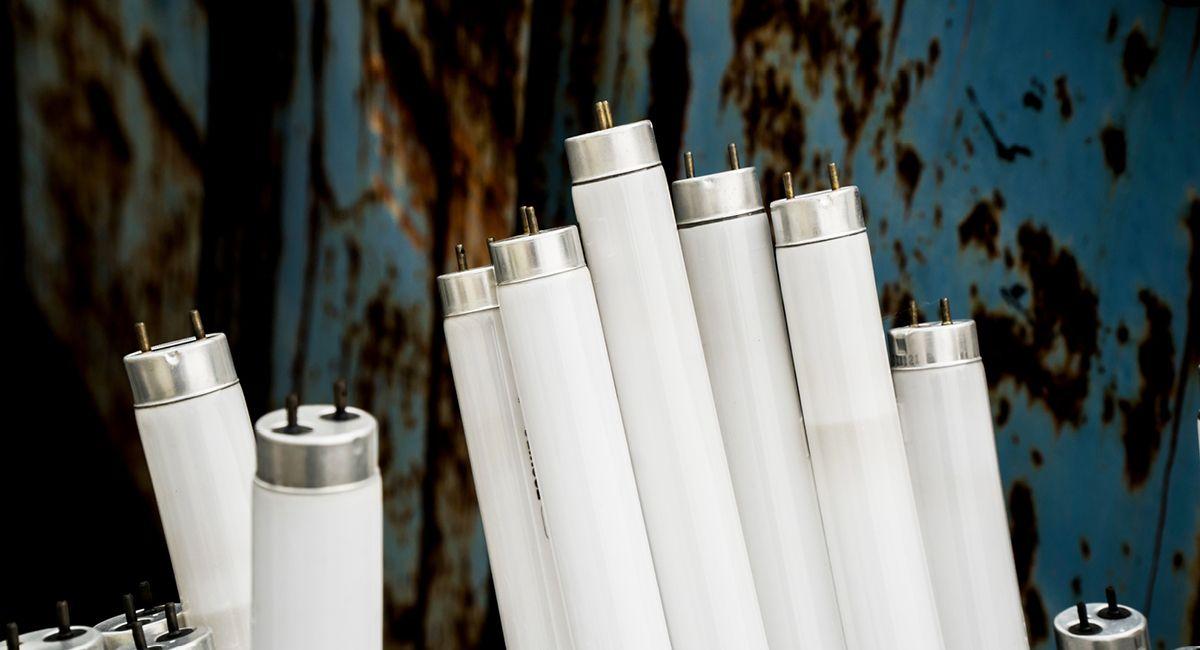
First, let’s be clear about what mercury is. It's a highly toxic heavy metal that can cause serious health problems. When used in pest control devices, mercury is often found in fluorescent bulbs used in traditional ILTs. These traps work by using ultraviolet (UV) light to attract pests like flies, moths, and mosquitoes, then zapping them with electric grids. While they work well, the downside is the mercury in the bulbs, something we really don’t need floating around in our food production areas or workplaces.
According to the World Health Organisation (WHO), mercury is one of the top ten chemicals of major public health concern. Exposure to mercury can lead to neurological damage, kidney problems, and even developmental issues for children and pregnant women. Imagine, for a moment, that your pest control system could be silently emitting a substance that could harm the people around you. It’s time to re-evaluate if that’s really worth it, don’t you think?
Mercury in Pest Control: A Hidden Danger
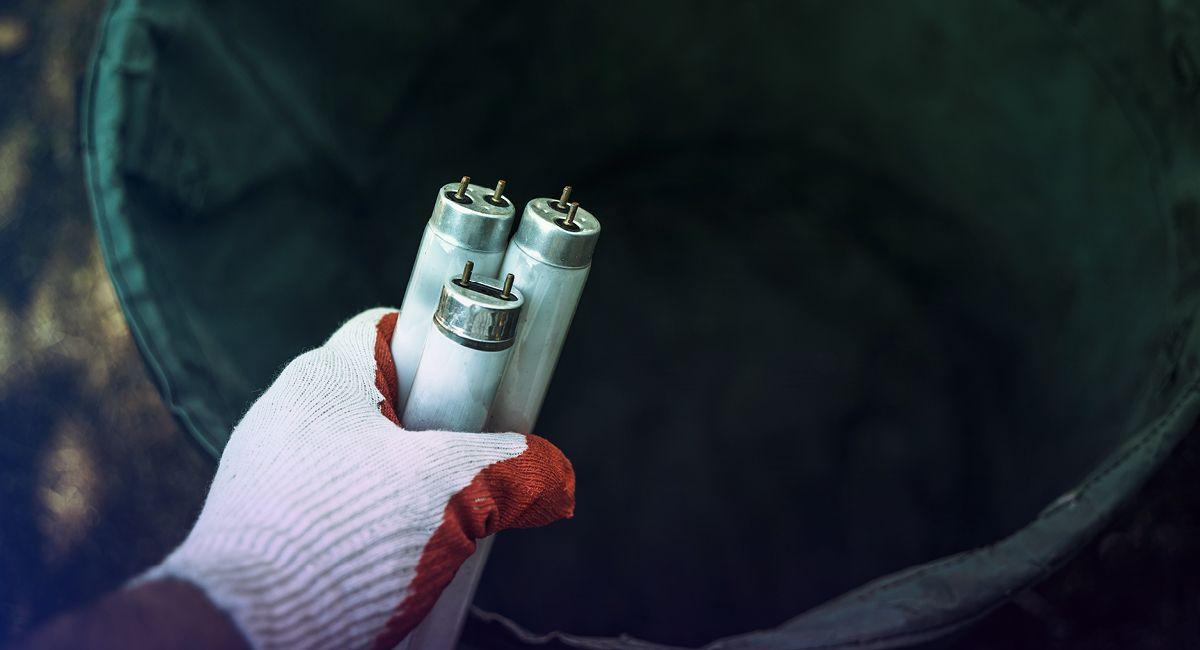
The real kicker? Traditional mercury-based ILTs are not only toxic but also difficult to dispose of properly. Once these bulbs burn out (and they don’t last forever), they have to be disposed of as hazardous waste. That’s not just an inconvenience for your team; it’s an environmental disaster waiting to happen. In fact, mercury can leak into the environment, contaminating water supplies and soil, affecting both wildlife and humans.
A study by the U.S. Environmental Protection Agency (EPA) estimated that over 70% of mercury contamination in water comes from improperly discarded products, including fluorescent lights. Even a small amount of mercury can contaminate large volumes of water, leading to severe ecological damage. When you add that to the fact that the global mercury market is projected to reach $10.3 billion by 2027, it’s clear that the demand for mercury-laden products continues to grow, despite the dangers.
The Case for Going Mercury-Free
Now, don’t get me wrong, pest control is crucial. You don’t want to invite a fly infestation into your restaurant or warehouse. But what if we told you that there are better, safer, and more sustainable alternatives to those mercury-laden ILTs?
LED-based Insect Light Traps are the future of pest control. These traps are not only effective at attracting and killing pests, but they’re also mercury-free, energy-efficient, and much more eco-friendly. Here’s why switching to LED-based traps makes sense:
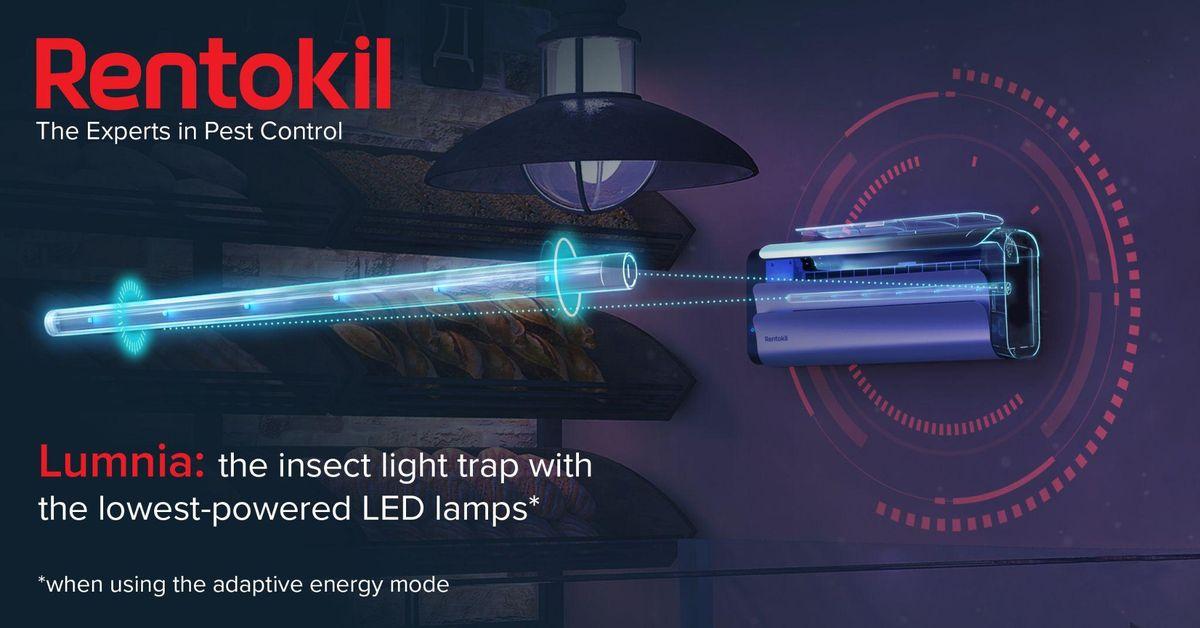
- No Toxic Chemicals: Unlike traditional fluorescent bulbs, LED bulbs don’t contain mercury or other harmful chemicals. That means you don’t have to worry about environmental contamination, and your employees are safe from harmful exposure.
- Longer Lifespan: LED lights last much longer than their mercury counterparts. In fact, LEDs can last up to 50,000 hours, compared to the typical 2,000–3,000 hours for fluorescent bulbs. This reduces the frequency of replacement, lowering waste and reducing maintenance costs for businesses.
- Energy Efficiency: LEDs are incredibly energy-efficient. They use up to 75% less energy than traditional incandescent bulbs, which means significant cost savings for your business. Not only does this help your bottom line, but it also reduces your carbon footprint, a win-win for the environment.
- Better Pest Control: LEDs are specifically designed to attract pests more effectively than fluorescent bulbs. This means better pest control with fewer environmental downsides.
A Step Toward a Greener Future
But switching to mercury-free ILTs isn’t just about avoiding the toxic risks of mercury; it’s about embracing a future where businesses can lead the charge toward sustainability.
The United Nations Sustainable Development Goals (SDGs) emphasise the importance of adopting green technologies that benefit the planet. For businesses, transitioning to sustainable pest control solutions like LED-based ILTs aligns directly with the SDG targets of responsible consumption (SDG 12) and climate action (SDG 13).
And let’s not forget about your brand. In today’s world, consumers are increasingly looking at the environmental practices of the companies they support. Companies that make eco-friendly choices are seen as more responsible and trustworthy, and they gain a competitive edge in the marketplace. By going mercury-free, you not only protect the planet but also boost your company’s ESG (Environmental, Social, and Governance) reputation, which is a growing priority for investors and customers alike.
The Bottom Line: It's Time for Change
We’ve been living with mercury in pest control for long enough. It’s time to leave it behind, not only for the safety of our employees but also for the sake of the environment. Mercury is no longer a necessary part of the pest control equation. With the advancement of LED technology, businesses can have their pest control without the toxic baggage.
So, let’s make a change. Let’s go mercury-free and take a step toward a more sustainable, environmentally responsible future. Your business, your employees, and the planet will thank you.
Take Action Now:
If you're ready to make the switch to safer, more sustainable pest control, consider investing in LED-based ILTs today. It’s a decision that will pay off in both environmental impact and cost savings.
Frequently Asked Questions
What is mercury-free pest control?
Mercury-free pest control refers to pest management solutions that do not use mercury-containing components, such as fluorescent UV bulbs. Modern LED insect light traps provide an effective alternative without the environmental and health risks associated with mercury.
Why are fluorescent insect light traps considered hazardous?
Traditional fluorescent insect light traps contain mercury vapour inside the bulbs. If broken or improperly disposed of, these bulbs can release toxic mercury into the environment, posing risks to human health and ecosystems.
Are LED insect light traps better for businesses?
LED insect light traps offer several advantages, including lower energy consumption, longer lifespan, reduced maintenance, and elimination of hazardous mercury waste. They also support sustainability and ESG initiatives.
Are LED insect light traps genuinely sustainable?
LED insect light traps are generally more energy-efficient and eliminate mercury-containing fluorescent bulbs, making them a more sustainable option overall. However, businesses should still consider manufacturing impact, product lifespan, and disposal practices.
Which industries benefit most from mercury-free ILTs?
Industries with strict hygiene and sustainability requirements benefit most, including food manufacturing, hospitality, healthcare, warehousing, retail, and agriculture.