How Pest Control Protects Public Health in Urban Kenya
As Kenya’s urban population continues to grow, pest control is becoming increasingly important to public health, hygiene, and environmental safety. In cities such as Nairobi, Mombasa, Kisumu, and Nakuru, rising population density, waste-management pressures, drainage challenges, and urban expansion are creating ideal conditions for pests to thrive.
Rodents, mosquitoes, cockroaches, flies, and bed bugs are no longer just nuisance pests. They are now recognised as major public-health risks capable of spreading disease, contaminating food, damaging infrastructure, and affecting quality of life across urban communities.
In 2026, effective pest management is not simply about eliminating pests, it is about protecting people, businesses, healthcare systems, and entire urban environments.
Why Urban Kenya Faces Growing Pest Challenges
Urban environments naturally create favourable conditions for pests because they provide:
- Reliable food sources
- Water access
- Warm shelter
- Dense human populations
- Complex drainage systems
As cities grow more crowded, pest populations can spread rapidly between:
- Residential buildings
- Markets
- Restaurants
- Hospitals
- Schools
- Public transport systems
- Commercial properties
Rapid urbanisation has also placed pressure on:
- Waste collection infrastructure
- Drainage systems
- Housing quality
- Environmental sanitation
These conditions increase the likelihood of pest infestations and disease transmission.
Why Pest Control Is a Public Health Issue
Pests are directly linked to several major health risks.
They can spread bacteria, viruses, and parasites through:
- Droppings
- Urine
- Bites
- Food contamination
- Water contamination
- Contact with surfaces
In densely populated urban settings, pests can affect thousands of people if infestations are not controlled quickly.
Public-health pest management focuses on reducing these risks before they become larger environmental or medical problems.
How Rodents Threaten Public Health
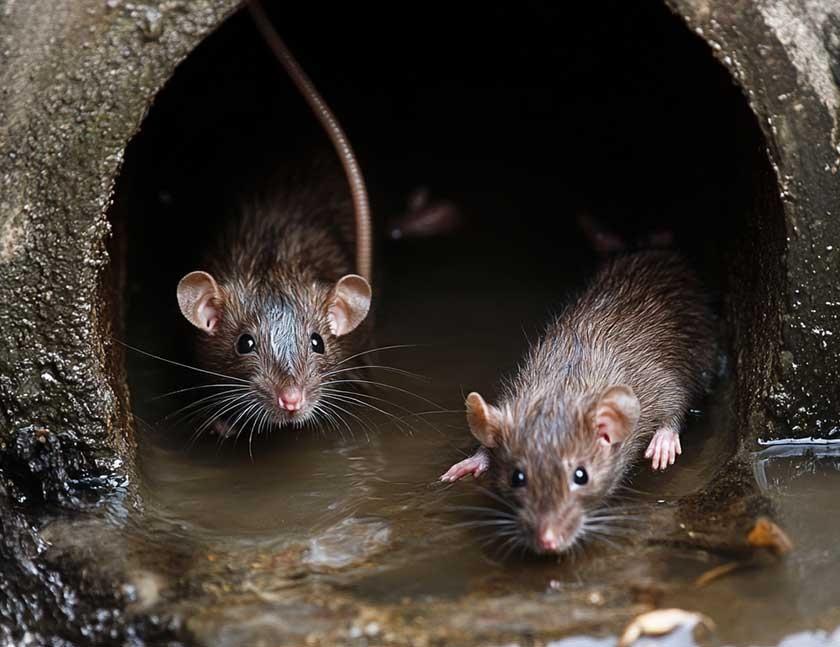
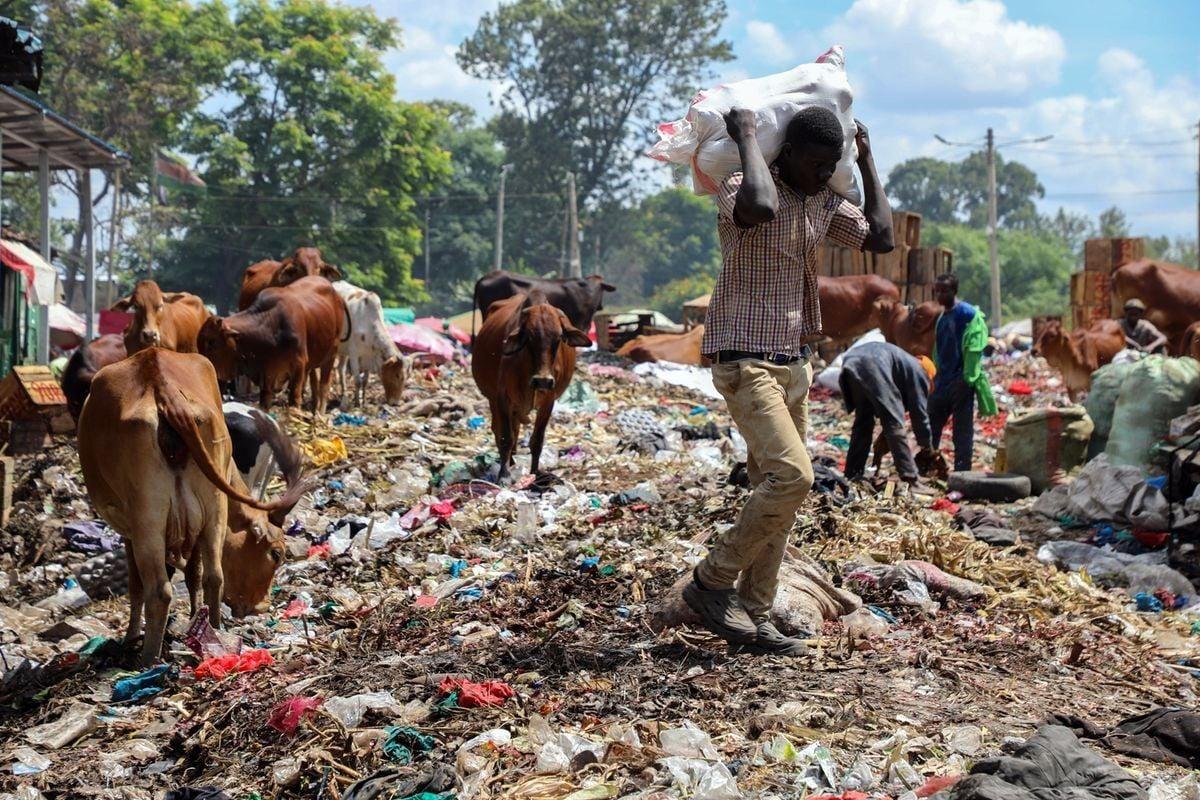
Rats and mice are among the most dangerous urban pests because they contaminate food, surfaces, and storage areas.
Rodents are linked to diseases such as:
- Leptospirosis
- Salmonella
- Rat-bite fever
- Hantavirus
- They also damage:
- Electrical systems
- Food packaging
- Building insulation
- Drainage infrastructure
In Nairobi and other major cities, rodents are commonly found near:
- Open waste areas
- Markets
- Restaurants
- Informal settlements
- Drainage channels
- Food storage facilities
Poor waste management and blocked drainage systems increase rodent activity significantly.
Why Mosquito Control Is Critical in Kenya
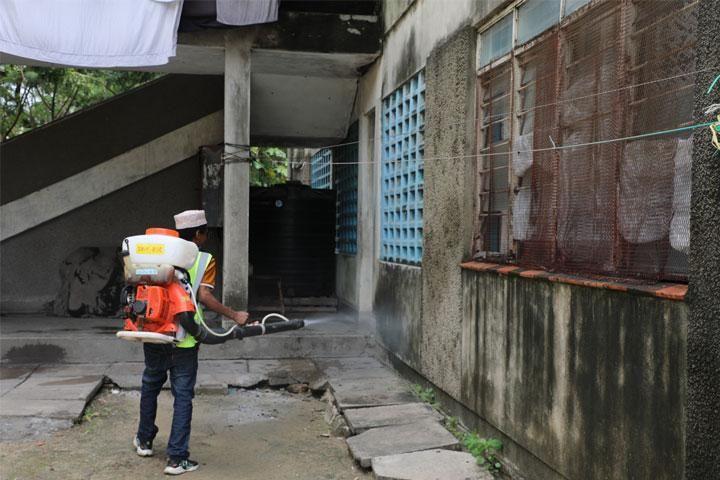

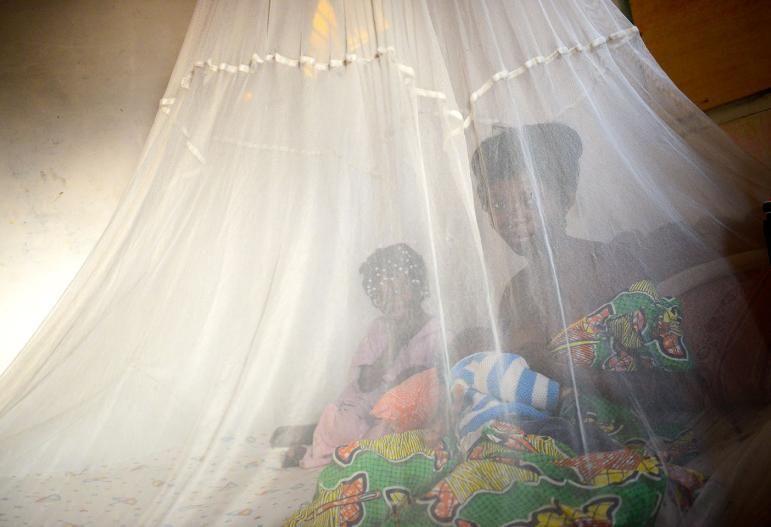
Mosquitoes remain one of the most important public-health pests in Kenya because they can spread diseases such as:
- Malaria
- Dengue fever
- Chikungunya
Urban flooding, poor drainage, and standing water create ideal mosquito breeding conditions.
Common mosquito breeding areas include:
- Blocked drains
- Construction sites
- Water storage containers
- Flooded compounds
Poorly maintained gutters
As climate conditions change and urban temperatures rise, mosquito activity may increase further in some urban areas.
Effective mosquito management requires:
- Drainage maintenance
- Water management
- Community awareness
- Professional vector control
The Public Health Risks of Cockroaches and Flies
Cockroaches and flies are strongly associated with food contamination and poor hygiene conditions.
These pests commonly spread bacteria by moving between:
- Waste areas
- Drains
- Food preparation surfaces
- Storage facilities
Cockroaches can trigger asthma and allergy symptoms, particularly in densely occupied buildings.
Flies can contaminate:
- Food products
- Kitchen surfaces
- Packaging
- Medical facilities
This is why pest prevention is especially important in:
- Hospitals
- Restaurants
- Food-processing facilities
- Schools
- Supermarkets
Why Bed Bugs Are Becoming an Urban Health Concern
Although bed bugs are not currently known to spread disease directly, they can still create serious public-health and wellbeing concerns.
Bed bug infestations can lead to:
- Sleep disruption
- Anxiety and stress
- Skin irritation
- Social stigma
- Reduced quality of life
In Kenya’s urban areas, infestations are increasing in:
- Apartments
- Student accommodation
- Hotels
- Public transport systems
- Shared housing
High population movement and dense living conditions make infestations harder to contain.
How Waste Management Affects Pest Activity
Waste management plays a major role in urban pest prevention.
Overflowing bins, illegal dumping, blocked drainage systems, and poorly maintained waste compounds provide pests with:
- Food
- Water
- Shelter
- Breeding sites
As Kenya introduces stronger sustainability and recycling initiatives, businesses and local authorities must ensure that waste systems do not unintentionally create new pest hotspots.
This is especially important in:
- Commercial districts
- Markets
- Hospitality areas
- Mixed-use developments
- Informal settlements
Why Businesses Have a Major Role in Public Health Protection
Commercial businesses are increasingly expected to maintain high hygiene and pest-control standards.
Poor pest management can lead to:
- Food contamination
- Failed inspections
- Reputational damage
- Customer complaints
- Operational disruption
Industries with particularly high public-health responsibilities include:
- Hospitality
- Healthcare
- Food manufacturing
- Retail
- Education
- Property management
For these sectors, proactive pest prevention is essential not only for compliance but also for protecting customers, employees, and communities.
How Integrated Pest Management Supports Public Health
Modern pest control increasingly relies on Integrated Pest Management (IPM), a long-term prevention-focused approach that combines:
- Monitoring
- Hygiene improvements
- Structural proofing
- Waste management
- Targeted treatment
- Environmental management
IPM reduces reliance on excessive chemical treatments while supporting sustainable public-health outcomes.
This approach is becoming increasingly important in Kenya as cities expand and environmental regulations evolve.
The Future of Urban Pest Control in Kenya
As urbanisation continues, pest management will play an even larger role in protecting public health across Kenya.
Future urban pest-control strategies are likely to focus on:
- Smarter waste infrastructure
- Improved drainage systems
- Sustainable pest-management practices
- Better hygiene monitoring
- Public-health education
- Data-driven pest surveillance
The goal is not simply to eliminate pests after infestations occur, but to create healthier urban environments where pest risks are reduced proactively.
Effective pest control is therefore not just a facilities issue — it is a critical public-health investment for Kenya’s growing cities.
FAQs
Why is pest control important for public health?
Pest control helps reduce the spread of diseases, contamination risks, and hygiene problems caused by rodents, mosquitoes, flies, and cockroaches.
Which pests are the biggest public-health risks in Kenya?
Rodents, mosquitoes, cockroaches, and flies are among the most significant public-health pests because they can spread disease and contaminate food and environments.
How does poor waste management increase pest activity?
Poor waste management provides pests with food, water, and shelter, allowing infestations to grow rapidly in urban areas.
What is Integrated Pest Management (IPM)?
Integrated Pest Management is a prevention-focused pest-control strategy that combines monitoring, hygiene, proofing, and targeted treatment to reduce long-term pest risks.