The Link Between Waste Management and Rodent Activity in Kenya
As Kenya’s cities continue to grow, waste management is becoming one of the country’s biggest environmental and public health challenges. At the same time, rodent activity is increasing across many urban areas, particularly in densely populated commercial and residential zones.
The connection between these two issues is becoming increasingly difficult for businesses and local authorities to ignore. Poorly managed waste systems, overflowing bins, food waste accumulation, blocked drainage, and illegal dumping are creating ideal conditions for rats and mice to thrive.
In 2026, businesses in Kenya are facing growing pressure not only to improve sustainability and waste compliance, but also to strengthen pest prevention strategies alongside them.
Why Rodents Thrive Around Poor Waste Management Systems
Rodents survive where three basic conditions exist:
- Food
- Water
- Shelter
Unfortunately, urban waste environments provide all three. When food waste is not properly stored or collected, rats and mice gain access to reliable feeding sources. Overflowing bins, open dumping areas, leaking drainage systems, and poorly maintained waste compounds all contribute to rising rodent activity.
In rapidly growing urban centres such as Nairobi, Mombasa, Kisumu, and Nakuru, rodents can spread quickly between:
- Commercial buildings
- Restaurants
- Markets
- Drainage networks
- Residential estates
- Food storage facilities
Even small amounts of exposed organic waste can support large rodent populations over time.
Why Nairobi Faces Increasing Rodent Pressure

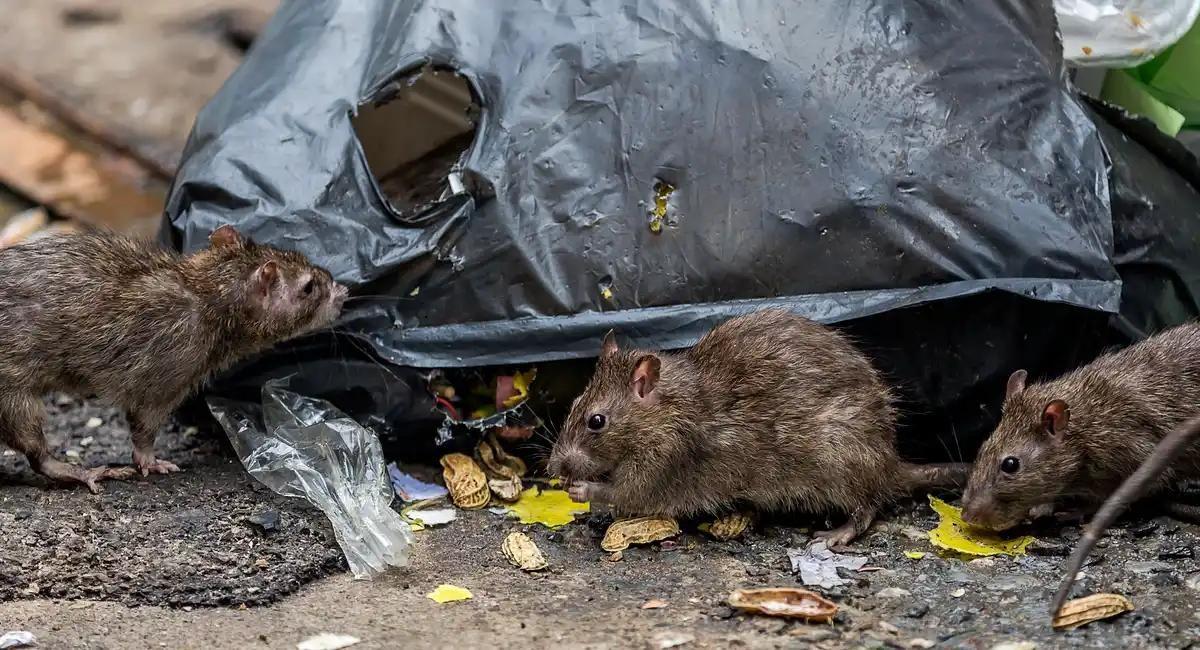
Nairobi’s rapid urbanisation has placed significant pressure on waste-management infrastructure. Several factors are contributing to increased rodent activity:
- High population density
- Inconsistent waste collection
- Illegal dumping
- Informal settlements
- Food markets
- Poor drainage maintenance
- Expansion of mixed-use commercial developments
Areas with heavy food handling and waste generation are particularly vulnerable. Rodents are commonly reported near:
- Open-air markets
- Restaurant districts
- Bus stations
- Waste transfer points
- Shopping centres
- Apartment waste compounds
Blocked drainage systems also provide ideal nesting and movement corridors for rats, especially during rainy seasons.
How Food Waste Drives Rat and Mouse Activity
Food waste is one of the strongest attractants for rodents. As Kenya pushes toward more sustainable waste practices and food waste separation, businesses are increasingly storing organic waste onsite before collection. While environmentally positive, this can also increase pest pressure if hygiene standards are not upgraded at the same time. Rodents are especially attracted to:
- Decomposing food
- Cooking oils and grease
- Organic waste bins
- Fruit and vegetable waste
- Overflowing dumpsters
- Waste compactors
- Poorly cleaned recycling areas
Restaurants, hotels, supermarkets, and food manufacturers face particularly high risks because waste is generated continuously throughout the day. Without strict cleaning and containment procedures, rodents can establish nesting sites close to waste-storage areas very quickly.
Why Rodents Are a Serious Public Health Concern
Rodents are not just nuisance pests, they are major carriers of disease and contamination risks. Rats and mice can spread pathogens through:
- Droppings
- Urine
- Saliva
- Fur contamination
- Food-contact surfaces
They are linked to diseases such as:
- Leptospirosis
- Salmonella
- Hantavirus
- Rat-bite fever
- Rodents can also damage infrastructure by:
- Gnawing electrical wiring
- Damaging insulation
- Contaminating stock
- Destroying packaging
- Blocking drainage systems
For commercial businesses, this creates both operational and reputational risks.
The Hidden Rodent Risks in Commercial Waste Areas
Many businesses underestimate how quickly rodents adapt to commercial waste environments.
Common high-risk areas include:
External Bin Compounds
Open or overflowing bins provide easy food access and shelter opportunities.
Drainage Systems
Blocked drains and sewer systems allow rats to travel undetected between buildings.
Food Delivery Zones
Loading bays often accumulate food debris and standing liquids.
Shared Waste Areas
In malls, office parks, and apartment complexes, shared waste zones increase cross-property pest risks.
Recycling and Sorting Stations
Food residue left in recyclable containers can attract rodents even when waste appears “clean.”
How Kenya’s Sustainability Policies Could Affect Rodent Activity
Kenya’s Sustainable Waste Management Act and Extended Producer Responsibility (EPR) regulations are encouraging businesses to:
- Increase waste segregation
- Improve recycling
- Reduce landfill use
- Separate food waste
- Expand circular economy practices
These policies are important for environmental sustainability, but they also increase the complexity of waste handling systems.
Businesses now often:
- Store waste longer onsite
- Use larger waste compounds
- Handle multiple waste streams
- Increase food-waste retention
- Share recycling infrastructure
Without proper pest-management controls, these systems can unintentionally create ideal rodent habitats.
The issue is not sustainability itself — it is the lack of integrated hygiene and pest-management planning alongside sustainability initiatives.
Why Rodents Are Thriving in Urban Kenya
Rodents are extremely adaptable urban pests.
Modern city environments provide:
- Constant food access
- Warm shelter
- Water availability
- Limited predators
- Complex underground infrastructure
Rats can:
- Squeeze through very small gaps
- Climb pipes and walls
- Swim through drainage systems
- Reproduce rapidly in stable food environments
This makes prevention far more effective than reacting after infestations become established.
How Businesses Can Reduce Rodent Risks
Effective rodent prevention requires a proactive and integrated approach.
Improve Waste Storage
Use sealed bins with secure lids and minimise overflow.
Increase Cleaning Frequencies
Waste compounds, loading bays, and drainage systems should be cleaned routinely.
Maintain Drainage Infrastructure
Blocked drains create both nesting and movement pathways for rodents.
Conduct Regular Inspections
Routine monitoring helps identify rodent activity before infestations escalate.
Eliminate Entry Points
Seal gaps around doors, pipes, vents, and external walls.
Implement Integrated Pest Management (IPM)
Integrated Pest Management combines:
- Monitoring
- Hygiene improvements
- Proofing
- Targeted treatment
- Long-term prevention strategies
This approach supports both sustainability and public health goals.
Why Rodent Prevention Matters for Business Reputation
Rodent sightings can seriously damage customer trust and brand reputation.
For businesses in:
- Hospitality
- Food manufacturing
- Retail
- Healthcare
- Education
- Property management
Even a single rodent incident can lead to:
- Negative reviews
- Customer complaints
- Regulatory action
- Failed hygiene inspections
- Product contamination concerns
In highly competitive urban markets, proactive pest prevention is becoming an essential part of operational risk management.
The Future of Waste Management and Pest Control in Kenya
As Kenya continues investing in sustainability and urban development, waste-management systems will become even more important to public health and environmental protection.
However, successful waste management must include:
- Better hygiene systems
- Smarter waste infrastructure
- Improved drainage maintenance
- Pest-resistant waste design
- Integrated pest-management planning
Businesses that combine sustainability with proactive rodent prevention will be better positioned to protect their operations, customers, and reputation in the years ahead. Cleaner cities require not only better waste systems, but also stronger pest-management strategies.
FAQs
Why does poor waste management attract rodents?
Poor waste management provides rodents with easy access to food, water, and shelter, allowing rat and mouse populations to grow rapidly.
Which Kenyan businesses face the highest rodent risks?
Restaurants, hotels, supermarkets, food manufacturers, apartment complexes, and shopping centres face particularly high risks because of continuous food waste generation.
Can recycling and food waste separation increase rodent activity?
Yes. If food waste and recycling systems are poorly maintained, they can attract rodents through increased organic waste storage and food residue buildup.
What is the best way to prevent rodents in commercial properties?
The most effective strategy combines proper waste management, regular cleaning, drainage maintenance, structural proofing, inspections, and Integrated Pest Management (IPM).