How the World’s Worst Pests Are Thriving in a ‘Sustainable’ World
Sustainability is becoming a major priority for businesses across Kenya. From hotels reducing waste to restaurants adopting recycling programs and office parks implementing greener facilities management systems, companies are increasingly aligning with environmental goals and ESG initiatives.
But there is an emerging challenge many businesses are overlooking: some sustainability practices can unintentionally create ideal conditions for pests.
Poorly managed food waste separation, overflowing recycling stations, composting systems, stagnant water from water-saving initiatives, and reduced pesticide usage can all increase pest activity if prevention measures are not adapted accordingly. For businesses in hospitality, healthcare, retail, food processing, and commercial property management, sustainability now needs to go hand-in-hand with proactive pest management.
Why Sustainability Can Increase Pest Activity
Many environmentally friendly operational changes unintentionally provide pests with the three things they need most:
- Food
- Water
- Shelter
In Kenya’s warm climate, these conditions can accelerate pest breeding cycles significantly faster than in cooler regions. Common sustainability initiatives that may increase pest risks include:
- Food waste separation systems
- Composting areas
- Reusable waste containers
- Reduced chemical pesticide use
- Water conservation systems
- Green landscaping and rooftop gardens
- Reduced waste collection frequency
While these initiatives are beneficial environmentally, poor maintenance and inconsistent hygiene practices can quickly turn them into pest hotspots. This is especially common in densely populated commercial areas like Nairobi, Mombasa, Nakuru, and industrial food zones, where waste management systems are under pressure.
Why Food Waste Is a Major Pest Driver
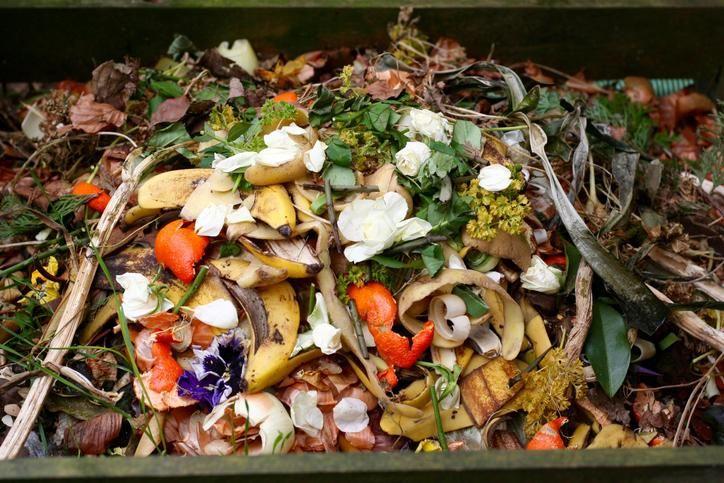
Food waste is one of the strongest pest attractants because it provides both moisture and nutrition. In Kenya’s warmer temperatures, decomposing organic waste ferments rapidly, attracting pests such as:
Businesses commonly see increased pest activity around:
- External waste bins
- Kitchen disposal areas
- Drainage systems
- Recycling stations
- Loading bays
- Food preparation zones
Restaurants, hotels, cafés, supermarkets, hospitals, and food manufacturing facilities are especially vulnerable. Without proper waste handling and storage systems, pests can establish breeding populations very quickly. Businesses operating in food handling environments should also ensure they have proper commercial pest prevention measures in place through services like Rentokil Kenya Commercial Pest Control Services.
Are Recycling Areas Becoming Pest Hotspots?
In many commercial buildings, recycling compounds are now among the highest-risk pest areas. This is particularly common in:
- Restaurants
- Hotels
- Supermarkets
- Food manufacturing facilities
- Multi-tenant commercial buildings
- Healthcare sites
The issue is rarely recycling itself it is usually poor operational management around recycling systems. Common risks include:
Poor Waste Segregation
When general waste and food waste are mixed incorrectly, contamination spreads quickly and attracts scavenging pests.
Infrequent Bin Cleaning
Reusable bins support sustainability goals, but without regular sanitation they can develop biofilm, odours, and residue that attract flies and cockroaches.
Overflowing Waste Storage
Businesses reducing collection frequency to lower costs or emissions may unintentionally allow waste volumes to build up.
External Access Points
Open compounds, damaged drainage, and unsecured bin lids provide rodents with easy access to food and shelter.
How Reduced Chemical Usage Is Changing Pest Control
Another major shift is the growing pressure to reduce pesticide use. Integrated Pest Management (IPM) is now widely recognised as the most sustainable and responsible approach to pest control. Instead of relying heavily on chemicals, IPM focuses on:
- Prevention
- Monitoring
- Exclusion
- Hygiene improvements
- Targeted treatment only where necessary
This approach aligns with environmental goals while reducing risks to people, wildlife, and ecosystems. However, reduced reactive treatment means businesses must become much more proactive about prevention. Without proper monitoring and housekeeping, pest populations can establish themselves before action is taken.
Which Pests Benefit Most From Sustainable Environments?
Certain pests are adapting particularly well to modern urban sustainability systems.
Rats and Mice
Rodents benefit from increased food waste availability and sheltered external infrastructure such as green walls, composting zones, and storage compounds. Urban rats are highly adaptable and can exploit even small gaps in waste management processes.
Flies
Flies breed rapidly in moist organic material. Food waste bins, drains, and composting systems create ideal breeding grounds if cleaning schedules are inconsistent.
Cockroaches
Cockroaches thrive in warm, humid environments where water-saving measures or drainage problems create excess moisture.
Birds
Gulls and pigeons are increasingly targeting commercial waste areas where food disposal is poorly controlled.
How Businesses Can Balance Sustainability and Pest Prevention
Sustainability and pest prevention do not need to conflict. In fact, the most effective facilities management strategies integrate both together. Businesses can significantly reduce pest risks by following a few key operational practices.
Conduct Regular Waste Audits
Review how waste is stored, separated, and collected. Identify areas where food residue accumulates or bins overflow.
Increase Cleaning Frequencies
Waste containers, recycling stations, and drains should be sanitised routinely especially during warmer periods.
Improve Bin Security
Use sealed, pest-resistant external bins with tight-fitting lids and ensure compounds remain closed when not in use.
Train Staff Properly
Employees should understand how poor waste handling contributes directly to pest activity.
Work With Professional Pest Specialists
Regular inspections help identify early warning signs before infestations develop into compliance or reputational issues.
Why This Matters for Compliance and Reputation
For businesses, pest activity is not just an operational nuisance; it can become a serious compliance risk. Industries such as food manufacturing, hospitality, healthcare, and retail are subject to strict hygiene standards under regulations including:
A visible pest issue can damage customer trust, trigger enforcement action, and undermine sustainability credentials. Consumers increasingly expect businesses to demonstrate both environmental responsibility and high hygiene standards simultaneously.
The Future of Sustainable Pest Management
As sustainability regulations continue evolving across the Kenya, pest control strategies will also need to adapt. The future is likely to involve:
- Smarter waste monitoring technology
- AI-assisted pest detection
- More environmentally responsible treatments
- Greater emphasis on proofing and exclusion
- Integrated sustainability and hygiene policies
Businesses that treat pest prevention as part of their wider ESG and facilities strategy will be far better positioned to reduce risk long term. Sustainability should never create conditions where pests can thrive. The goal is not simply greener operations; it is cleaner, safer, and more resilient environments overall.
FAQs
Can recycling attract pests?
Yes. Recycling areas can attract pests when food residue, moisture, or organic waste are not managed correctly. Poor cleaning routines and overflowing bins are common causes of increased pest activity.
Why are rats attracted to food waste bins?
Food waste provides rats with a reliable source of nutrition and water. External bins that are damaged, overfilled, or left open make it easier for rodents to access waste safely.
What is sustainable pest management?
Sustainable pest management focuses on prevention, monitoring, hygiene, and targeted treatment rather than excessive chemical use. Integrated Pest Management (IPM) is the most common approach used in commercial environments.
How can businesses reduce pest risks while staying sustainable?
Businesses should combine sustainability initiatives with strong waste management, regular cleaning, secure storage, staff training, and professional pest monitoring to minimise risks effectively.