El Niño in Kenya: What Wetter Weather Could Mean for Pests in Your Home
If you live in Kenya, you may already be hearing more about the anticipated 2026/2027 El Niño season and the possibility of heavier-than-normal rainfall in parts of the country. But while most of us are thinking about flooded roads, leaking roofs and muddy gardens, there is another group that is very interested in wet weather: pests.
El Niño-related wetter conditions can create new opportunities for mosquitoes, rodents, cockroaches, termites and other pests by increasing moisture, standing water and access to sheltered spaces. Preparing your home before the rains arrive can reduce the chances of a small pest problem becoming a much bigger one.
Why does El Niño matter for pests?
El Niño is a climate pattern that can influence rainfall and temperature around the world. In East Africa, El Niño has historically been associated with wetter-than-normal conditions during parts of the October-to-December period.
In September 2026, the World Health Organization reported that Kenya is preparing for potential health risks linked to the anticipated 2026/2027 El Niño season, with forecasts indicating that parts of eastern Africa could receive more rainfall than usual between October and December.
That matters to pest control because pests respond to their surroundings.
More rain can mean:
- More standing water around homes.
- Damp areas where pests can hide.
- More vegetation and organic material around properties.
- Flooding that can disturb pest nesting areas.
- Rodents and other pests looking for dry shelter indoors.
- More favourable conditions for some insects to reproduce.
It doesn't mean every home will suddenly have a pest infestation. But it does mean that weather-related changes can alter where pests live, feed and breed.
And that makes preparation worthwhile.
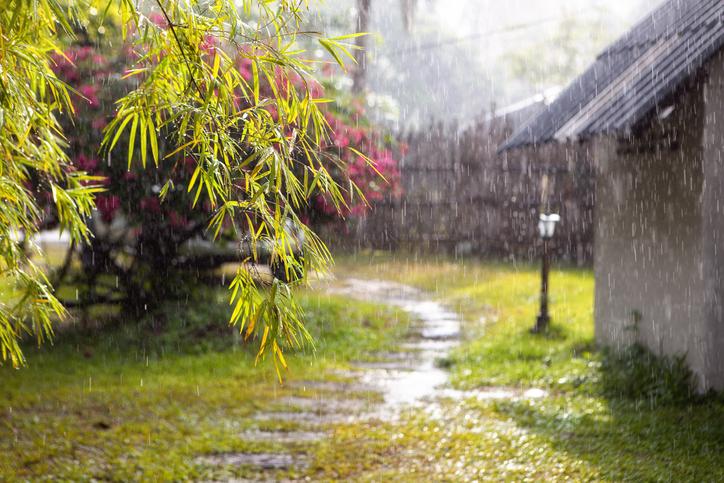 Heavy rain falling on a grassy path beside green foliage and a stone building.
Which pests could become more noticeable during wetter weather?
There isn't one “El Niño pest”. Different pests respond to wet conditions in different ways.
1. Mosquitoes: the standing-water specialists
Mosquitoes are probably the first pest most people think about when rain arrives and for good reason.
Mosquitoes need water to complete their life cycle, and even relatively small amounts of stagnant water can become breeding sites. A blocked gutter, discarded container, plant pot, old tyre or poorly drained area around your home can potentially hold enough water to attract mosquitoes.
After heavy rainfall, take a quick walk around your property and look for places where water is collecting.
Remember: if it can hold water, check it.
2. Termites: tiny pests, very expensive appetites
Rainy weather can also make termite activity a concern, particularly where moisture and suitable food sources are available.
Damp conditions, leaking pipes and timber or other organic debris around a building can make an area more attractive to termites.
If you suddenly notice mud tubes, damaged wood, discarded wings or other signs of termite activity, don't simply assume the rain will make the problem disappear.
Termites are very good at staying out of sight.
3. Rats and mice: when outside gets uncomfortable
Rodents are resourceful.
When heavy rain or flooding disturbs outdoor nesting areas, rats and mice may look for somewhere drier, and your house can look like five-star accommodation.
A warm roof space, kitchen, garage, store room or ceiling void offers exactly what rodents are looking for: shelter, food and somewhere quiet to hide.
Look for:
- Droppings.
- Gnaw marks.
- Scratching noises.
- Damaged food packaging.
- Greasy marks along walls.
- Gaps around pipes, doors and other entry points.
4. Cockroaches: where there is moisture, there may be trouble
Cockroaches don't need an invitation.
They can enter homes through surprisingly small gaps and are attracted to food, water and shelter.
Wet weather can increase moisture around homes, while flooding or drainage problems can disturb places where cockroaches normally hide. Once inside, kitchens, bathrooms, drains and other damp areas can provide everything they need.
If you start seeing cockroaches during the rainy season, don't rely on seeing only one or two as a sign that there are only one or two.
Cockroaches are experts at hiding.
Does rain automatically mean more pests?
Not necessarily.
Weather is only one part of the equation. The design and condition of your property, access to food and water, drainage, sanitation, vegetation and nearby environmental conditions all influence pest activity.
That's why pest prevention is more useful than simply waiting for an infestation and then reacting to it.
Think of it like putting on a raincoat.
You don't wait until you're soaked to decide you probably should have brought one.
How can you prepare your home before the rains?
A few simple checks can make a big difference.
Your rainy-season pest checklist
- Check for standing water.
Empty containers, buckets, plant saucers and anything else collecting rainwater. - Clean gutters and drainage areas.
Blocked gutters can create waterlogged areas around your home. - Fix leaks.
Check taps, pipes, toilets and areas around the roof for leaks or persistent dampness. - Store food properly.
Keep food sealed and avoid leaving leftovers or pet food exposed. - Reduce clutter.
Piles of cardboard, timber and other materials can create hiding places for pests. - Check possible entry points.
Look around doors, windows, pipes, vents and other openings. - Keep vegetation under control.
Trim plants and avoid allowing dense vegetation to grow directly against the building. - Don't ignore early warning signs.
A few droppings, a trail of ants or occasional cockroaches can be easier to address early than after an infestation has become established.
Where does professional pest control come in?
DIY prevention is a great first step, but it isn't always enough.
If pests are already established, spraying the pest you can see may only deal with the most obvious part of the problem.
Professional pest control starts with understanding what pest you're dealing with, where it is coming from and why it is getting into your home.
At Rentokil Kenya, our teams inspect properties to identify the pest, assess the infestation and determine contributing factors before recommending a treatment plan.
That approach is particularly useful after periods of heavy rain because the source of the problem may not be obvious.
For example, the mosquitoes you see around your sitting room may be connected to standing water outside. Rats in the ceiling may be entering through a small gap near the roof. Termites may be accessing the property from below ground.
Finding the “why” matters.
Should you wait until you see pests?
Not always.
Preventive pest control can be particularly useful if your home has previously experienced termite, rodent, cockroach or mosquito problems.
The goal isn't to panic every time it rains.
It's to make your home less attractive and less accessible to pests before a small problem turns into a big one.
Rainy season doesn't have to become pest season
El Niño is a weather phenomenon, not a guarantee that every Kenyan home will experience a pest invasion.
But wetter conditions can change the environment around your property, and pests are very good at taking advantage of environmental changes.
The good news is that prevention doesn't have to be complicated.
Keep water moving. Keep food sealed. Keep clutter under control. Check your property for gaps and leaks. And if you notice signs of an infestation, get professional advice early.
Because when the rain comes, you want the only unexpected visitors at your door to be your neighbours asking if the rain is ever going to stop.
Frequently Asked Questions (FAQs)
El Niño does not automatically cause pest infestations, but the wetter conditions associated with El Niño in East Africa can create environments that favour certain pests. Standing water can support mosquito breeding, while damp conditions and flooding can affect rodents, cockroaches and other pests. Property conditions also play an important role.
Mosquitoes, termites, rats, mice, cockroaches and flies can all become noticeable around homes during wetter periods. The exact pest problem depends on the property, location, drainage, food sources, moisture and surrounding environment.
Start by removing standing water. Check buckets, plant pots, old tyres, gutters, drains and other containers where rainwater can collect. Keep water storage containers covered and address drainage problems. If mosquito activity continues despite these measures, professional mosquito control can help identify and treat breeding and resting areas.
If your property has a history of pest problems, preventive pest control can be worth considering before heavy rains arrive. A professional inspection can identify potential entry points, moisture problems and signs of existing activity, allowing action to be taken before the problem becomes harder to manage.