Contact Rentokil Kenya
Contact Rentokil Kenya today to book a professional survey and secure your property.

Call us on +254 703 055 777
There are just three species of rat and mouse that are by far the most prevalent and important pests in homes and businesses in Kenya due to their ability to adapt to the human environment.
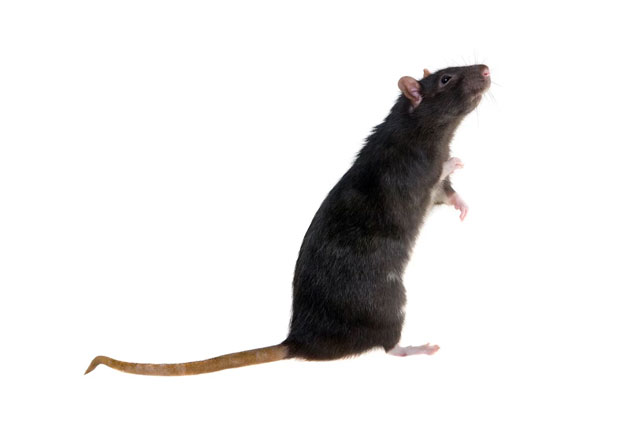
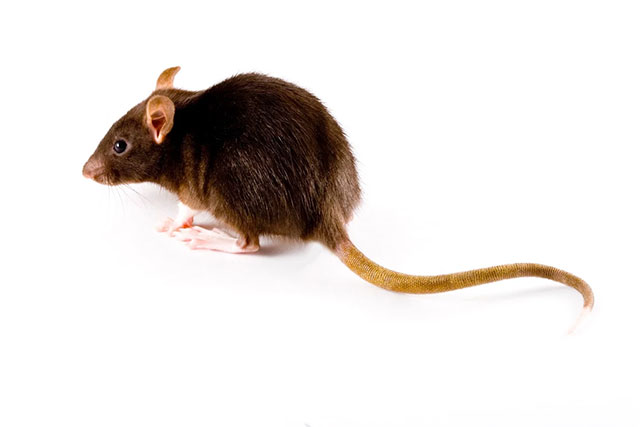
These are the brown rat (Rattus norvegicus, also called the common or Norway rat), ship rat (Rattus rattus, also called the black rat or roof rat) and house mouse (Mus domesticus).
The house mouse has several subspecies that are common in different parts of the world and are increasingly being recognised as separate species, but these are all virtually indistinguishable from each other.
All rodents have the common identifying feature of a pair of incisor teeth in the upper jaw. They tend to have short legs and a long tail, but a closer look at their body characteristics and habits shows that there are easily distinguishable features that you can use to identify which pest is invading your property. There are often clear signs of a rat or mouse infestation, such as droppings, gnaw marks and smear marks.
Not sure which pest is scurrying behind your walls? This Rentokil Kenya guide highlights the critical differences between rats and mice to help you take the right action. From body size and tail texture to nesting habits and dropping shapes, learn how to identify your rodent problem at a glance for faster, more effective pest control.
The easiest distinguishing feature is the small size of the house mouse at 3-10 cm long.However, a mouse can be confused with a young rat.
Rats are bigger and heavier than mice but have shorter tails. They produce about 40 large droppings daily. Between the two species, the brown rat is larger than the ship rat and has several distinct body features:
Brown rats are identified by:
Black rats are identified by:
Telling the difference between rats and mice in your home or at your business premises is crucial for effective pest control. While often confused, especially a young rat with a mature mouse, key distinctions in appearance, droppings, sounds, and habits can help you identify the rat or mouse.
A strong indicator of the pest you are dealing with is droppings. Rat droppings and mice droppings vary in size, shape, and distribution.
The type of noise you hear can offer clues about your uninvited guests. Rats and mice make similar noises, but differences can be heard.
Rodents can cause real damage to your home or business premise. Mice and rats cause damage slightly differently, providing further identification clues.
Understanding their living preferences and breeding patterns helps in effective pest management.
The primary differences are in their size (rats being far bigger), behavior and nesting habits; brown rats typically live in burrows or sewers and are wary of new objects, whereas mice are adventurous explorers that tend to live in various parts of a building and require less water than rats. Additionally, mice produce more litters per year than rats, meaning an infestation can grow more rapidly if left untreated.
While rats are primarily nocturnal and prefer to be active at night, they may occasionally come out during the day if their nest has been disturbed or if there is high competition for food due to a large infestation. Seeing them in daylight often indicates that the population has grown significantly.
Neither is desirable because both carry dangerous diseases like Salmonella and E. coli, but rats are generally considered more destructive because their powerful gnawing can cause extensive damage to foundations, pipes, and electrical wiring. While mice are easier to trap because they are more curious, they reproduce much faster, which creates a different set of challenges for homeowners.
Actually, mice can be more challenging because they mature faster and produce up to 8 litters a year. While a single rat causes more physical damage to pipes and wires, a mouse population can explode in size before you even notice them. Rentokil’s professional intervention is recommended to stop the breeding cycle before it becomes unmanageable.
DIY methods often catch a few individuals but leave the nest intact. You know the problem is resolved when there are no new droppings, no fresh gnaw marks, and no nocturnal scratching sounds. Rentokil Kenya provides follow-up visits and proofing advice to ensure that once we clear your property, the rodents cannot find a way back in.
Business Enquiries; +254703055777
Residential Enquiries; +254703055666